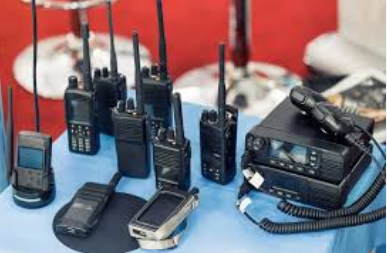
Choosing the right communication radio is essential for safety, clarity, and efficiency across industries—from security and transportation to construction, mining, hospitality, and maritime operations. The market offers portable, mobile, marine, aerial, intrinsically safe radios, repeaters, and accessories, each designed for specific tasks and environments. If you want to evaluate reliable professional equipment available in Mexico, one trusted reference is RadioRed, a specialized distributor that offers advanced communication solutions for different industries.
1. Why Choosing the Right Radio Matters
Communication radios are not universal. Although they might seem similar at first glance, their performance varies drastically depending on the environment and intended use. For example:
Marine radios must withstand harsh weather and saltwater.
Intrinsically safe radios are designed for explosive or hazardous areas.
Mobile radios installed in vehicles require higher power output.
Portable radios must balance durability with lightweight design.
Making the wrong choice can lead to:
Poor signal quality
Interruptions in communication
Safety risks
Damage from water, dust, or impacts
Financial loss due to replacing unsuitable equipment
A well-chosen radio ensures maximum operational efficiency and long-term reliability.
2. Portable Radios: Lightweight and Versatile
Portable radios—often called handheld radios—are compact and easy to carry. They are widely used in industries where mobility is essential, including:
Security teams
Event management
Hotels and hospitality
Construction sites
Warehouses
Logistics and supervision
Key features to consider:
a) Frequency band (UHF or VHF)
UHF is best for indoor environments with metal structures and walls.
VHF is ideal for outdoor, open areas with fewer obstacles.
b) Battery life
Modern lithium-ion batteries offer longer use times, faster charging, and reduced weight.
c) Durability and ruggedness
Look for models with MIL-STD-810 certification, ensuring resistance to shock, vibration, heat, humidity, and dust.
d) Functional features
Useful functions include:
VOX (voice-activated transmission)
Scanning (SCAN)
Encryption for secure communication
Programmable channels
Noise-cancellation audio
e) Professional vs. recreational use
Professional models from respected brands like Kenwood, Motorola, and ICOM offer stronger build quality, clearer audio, and longer life.
3. Mobile Radios: Ideal for Vehicles and Long-Range Coverage
Mobile radios are installed in vehicles such as:
Police patrol units
Transport trucks
Taxis
Emergency service vehicles
Boats and marine vessels
Benefits of mobile radios:
Higher transmission power
Stable power source from the vehicle
External antennas with improved range and clarity
More channel capacity and advanced functions
These radios are perfect for fleets needing constant communication across large distances.
4. Marine Radios: Safety and Reliability on the Water
At sea, communication becomes a matter of safety and survival. Marine radios must meet strict standards and resist hostile environments.
Essential features:
Waterproof certification (IPX7 or IPX8)
Floatation capability in case of accidental drops
DSC (Digital Selective Calling) for emergency alerts
Weather channels (NOAA)
GPS built-in positioning
High-visibility displays
They are indispensable for fishing boats, commercial vessels, yachts, and tourist boats operating along the Mexican coast.
5. Intrinsically Safe Radios: For Hazardous and Explosive Environments
Industries such as:
Mining
Oil and gas
Petrochemical plants
Chemical factories
Refining
Gas processing facilities
require intrinsically safe (IS) radios designed to prevent sparks, overheating, or electrical discharge that could ignite explosive atmospheres.
Certifications to check:
ATEX
IECEx
UL Class I Division 1
These radios ensure safe communication under dangerous conditions where a standard radio would be too risky.
6. Repeaters: Enhancing Coverage for Large or Complex Areas
Repeaters are essential in environments where natural barriers or long distances obstruct radio signals.
Where repeaters are most useful:
Underground mines
Large buildings
Hotels and resorts
Industrial complexes
University campuses
Rural or isolated areas
What repeaters improve:
Coverage radius
Audio clarity
Signal stabilit
Communication between distant teams
Organizations with large operational areas rely heavily on repeaters to maintain communication consistency.
7. Must-Have Accessories for Any Radio System
Accessories enhance usability, durability, and overall communication performance. Some highly recommended items include:
Extended-capacity batteries
Multi-unit or rapid chargers
High-gain antennas
Remote speaker microphones (lapel mics)
Durable carrying cases and belt clips
Surveillance-grade earpieces
Desktop bases for office or command posts
A well-equipped radio system can drastically improve productivity and convenience.
8. Key Technological Advancements in Modern Radios
The radiocommunication industry advances every year. Here are the most impactful innovations:
Digital technologies (DMR, NXDN, P25)
Digital radios offer:
Stronger, clearer audio
Extended effective range
Built-in encryption
More channels and programmable features
GPS and text messaging capabilities
Hybrid LTE + Radio devices
These combine traditional radio frequencies with cellular data, allowing nationwide coverage where radio signals may not reach.
Improved battery technology
Longer battery life, shorter charging times, and greater durability.
Rugged environmental resistance
Radios now come with IP54, IP55, IP67 or IP68 ratings, protecting against water and dust.
Software integration
Modern radios integrate with:
Dispatch consoles
GPS tracking system
Telemetry sensors
Digital monitoring tools
This enables smarter, more efficient communication networks.
9. How to Choose the Right Radio for Your Industry
Security teams
Need durable, clear-audio radios with emergency and long-battery features.
Construction companies
Should look for rugged radios with MIL-STD-810 certification.
Event management and hospitality
Require compact, lightweight radios with discreet earpieces.
Transport companies
Benefit from high-power mobile radios with strong antennas.
Mining and oil industries
Must use intrinsically safe radios with ATEX or IECEx certification.
Marine operations
Need waterproof floating radios with GPS and DSC.
10. Practical Tips for Smart Radio Purchasing
Analyze the environment where the radio will be used.
Choose the right frequency (UHF vs. VHF).
Check for ruggedness certifications.
Evaluate real battery performance.
Ensure compatibility with repeaters if needed.
Invest in essential accessories.
Buy from established, trusted suppliers in Mexico.
Proper evaluation saves money and prevents operational downtime.
11. Final Thoughts
Communication radios remain the most reliable and immediate method of coordination in mission-critical environments. Whether you need portable radios, mobile units, marine equipment, intrinsically safe devices, or large-scale repeater systems, understanding each category helps ensure the right choice for your team. If you want to explore professional-grade models, complete packages, and exclusive deals for the Mexican market, the product catalog at RadioRed is a reliable place to start, offering certified, durable, and high-performance communication solutions for every type of industry.